Think about how the gift will be used
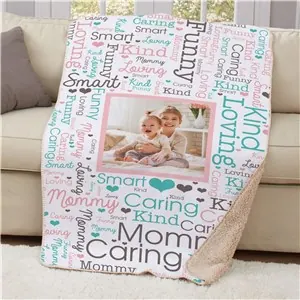
The same photograph can feel very different on an everyday mug, a blanket or a display object. Begin with the recipient’s habits and available space. A person who uses a desk daily may enjoy a small photo display, while someone who likes practical keepsakes may prefer an item they can use regularly.
Decide whether the image should be seen often, displayed deliberately or brought out for a particular occasion. This helps narrow the format before you compare colors and decorative themes. A personal connection is useful only if the finished item suits the recipient’s life.
Match the image to the available space
A close portrait adapts well to a small print area because the subject remains recognizable. A wide family group or a detailed travel scene needs more space to preserve its relationships. On a small ornament, adding names, dates and several faces can quickly reduce clarity.
Consider the shape as well as the size. A square crop, tall rectangle and long wraparound panel emphasize different parts of the image. If the photograph cannot tolerate a tighter crop, select a format that preserves its proportions or include a border rather than cutting away an important person or detail.
Choose the material with the image in mind
A rigid display, a flexible textile and a curved vessel present artwork differently. Source catalogs such as Shutterfly, Walgreens Photo and VistaPrint list distinct product families for these purposes. Their names should be treated as different product specifications, not simply as interchangeable ways to place an identical picture.
For a textile, think about folds and viewing distance. For a mug, think about the handle and the section visible at one time. For a display object, check orientation, how it stands or hangs, and whether the intended location has enough room. These practical details can matter more than adding another decorative element.
Use a shortlist to make the final decision
Choose two or three formats that suit the photograph, then compare the actual dimensions, material, decoration method and care requirements. Request a proof for the most promising option. The proof should make the tradeoff visible: more background, a larger face, room for a message or a simpler overall composition.
This approach does not require an invented product ranking. There is no single best format for every portrait. The strongest choice is the one that keeps the important part of the photograph clear, fits the recipient’s use and can be specified precisely enough to approve before production.
Start the conversation.
Share a useful tip, ask a question or tell us what matters to you.